





Driving Growth for Organizations
Corporate video is a broad term. It can describe a company overview, a product launch, an employee recruitment film, a customer story, an executive message, or a campaign built for social media. Each one has a different job, but they all need to hold someone’s attention and communicate something useful.
Rocket House Pictures creates corporate and promotional videos for organizations of many sizes, from Fortune 500 companies to Denver nonprofits and small businesses. Some clients need one film for their website. Others need a group of videos for sales, recruitment, training, events, and digital advertising. There are many types of business videos, so we begin by figuring out what the video needs to accomplish and who needs to see it.
A corporate video can be professional without feeling stiff. It can explain the work while giving the audience a sense of the people behind it. That balance guides our approach to corporate video production. We use the visual language of film, including careful lighting, composition, movement, sound, and editing, while keeping the message grounded in the client’s actual work.
Story gives those elements a reason to be there. A beautiful shot may catch someone’s eye, but the audience still needs to understand what they are watching and why it matters to them. A successful business video has several moving parts, and our job is to make sure they support the same idea.

Nearly Two Decades of Production Experience
Rocket House Pictures has worked in video production for nearly two decades. During that time, we have filmed executives, employees, customers, scientists, artists, students, medical professionals, nonprofit leaders, and people who had never spoken on camera before.
That experience affects more than the finished image. It helps us prepare for a busy office, work around an active facility, adjust when a location changes, and keep a production moving without making the people on camera feel rushed. We understand that most clients still have a business to run while we are filming.
Our background includes corporate production, commercials, documentaries, nonprofit films, music videos, and narrative filmmaking. That range gives our corporate work a cinematic and story-driven quality. We know how to find the small details that make a workplace feel specific, direct an interview without making it sound rehearsed, and build visual sequences that give the editor more than a collection of disconnected shots.

Our Approach Starts With Listening
Before discussing cameras or locations, we want to understand the reason for the project. Who is the audience? What do they already know? What should they understand after watching? Where will they see the video, and what should they do next?
Those conversations help us decide how the story should be told. A founder-led company film may need a personal interview and footage of the team at work. A product video may depend on controlled lighting, close-up photography, and a detailed demonstration. A recruitment film may need several employee voices so candidates can get an honest sense of the workplace.
We work closely with our clients because they understand their organization better than anyone. We bring an outside perspective, ask questions, and help identify the parts of the story that an internal team may take for granted. Clients remain involved throughout the project, but they do not have to manage every production detail themselves.
Our Corporate Video Production Process
Each project is different, but most corporate and promotional videos move through the following stages:
- Discovery and project goals: We discuss the audience, message, platforms, schedule, budget, and the action the video should support. This gives everyone a shared direction before creative work begins.
- Concept and story development: We find the central idea and decide how to communicate it. This may include interviews, a written script, customer stories, narration, demonstrations, or a combination of approaches.
- Pre-production: We plan the schedule, crew, locations, interview questions, shot list, equipment, talent, wardrobe, releases, and other details that need to be settled before filming.
- Filming and direction: Our crew handles cinematography, lighting, sound, camera movement, interviews, and on-set direction. We work efficiently while leaving enough room to capture moments that cannot be planned in advance.
- Editing and post-production: We organize the footage, build the story, select music, edit interviews, mix sound, create graphics, correct color, and prepare the first cut for review.
- Review and final delivery: We gather feedback, make approved revisions, and prepare the finished files for the website, social media, presentations, paid advertising, internal platforms, or broadcast.
A well-managed process protects the creative work and the client’s time. It also prevents expensive surprises during production. Our experience allows us to see potential problems early, explain the available options, and keep decisions connected to the original purpose of the video.
Cinema Gear Chosen for the Story
We own a large collection of production equipment, which helps us control costs and arrive prepared. Our equipment includes cinema cameras, professional lenses, lighting, audio gear, gimbals, sliders, motion-control systems, drones, and support equipment for productions of different sizes.
We use Aputure and Intellytech lighting fixtures to shape natural-looking interviews, create controlled product scenes, and work in locations where the existing light needs help. Stabilized gimbals and motion-control equipment allow us to add movement when it serves the scene. Our camera systems record high-resolution footage that gives the post-production team room to reframe shots, create alternate formats, and complete detailed color work.
Gear matters, but the largest camera package is rarely the answer to every production. A small crew may be the right choice for an intimate customer interview. A larger commercial shoot may call for several departments, more lighting, specialized camera movement, and additional production support. We build the crew and equipment package around the project instead of forcing every client into the same setup.
When a production needs equipment or expertise outside our in-house package, we draw from a strong network of Colorado crew members, rental companies, studios, artists, and technical specialists. This lets us scale the production while keeping one team responsible for the finished work.
A Cinematic Look With a Business Purpose
Cinematic does not have to mean dramatic lighting in every scene or a camera that never stops moving. It means making visual choices with intention.
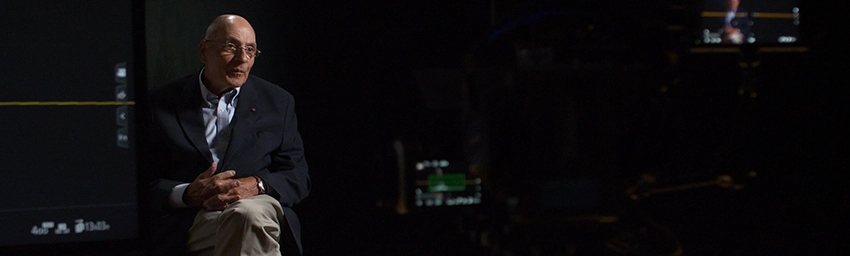
For an interview, that may involve finding a location that reveals something about the person, shaping the light so the image feels natural, and choosing a camera angle that fits the tone of the conversation. For a manufacturing video, it may mean filming the process in a sequence of wide shots, close details, and controlled movement so the audience can follow what is happening. For a company overview, it may involve observing unscripted interactions that show how the team works together.
Our documentary experience also shapes our corporate work. We listen during interviews, ask follow-up questions, and look for specific answers instead of generic statements. Those responses give the editor stronger material and help the finished video feel like it came from the people on screen.
That same attention continues through editing, sound, color, music, and graphics. Our production standards apply to the details viewers notice and the technical work they may never see. Both affect how the video feels.
One Production Can Create More Than One Video
A corporate production can often be planned to create several pieces of content at the same time. The main film may live on the company website or open a presentation. Shorter edits can introduce individual services, employees, products, or customer stories. Vertical versions can be prepared for social media, and brief cuts can support digital advertising.
Planning these versions in advance helps the crew capture the right footage and gives the editor a better understanding of how the material will be used. It can also help a company get more use from its video investment without treating each piece of content as a separate production.
Corporate Video Clients We’ve Worked With
Our corporate video work has taken us into government offices, factories, distribution centers, classrooms, retail spaces, and company headquarters. We have created videos for clients including the State of Colorado, Yext, UPS, PepsiCo, Crocs, Boys & Girls Clubs of America, Biennial of the Americas, and Lee Hecht Harrison. The projects have ranged from company profiles and promotional films to employee stories, product videos, training content, and public information campaigns. Each one began with understanding the audience, finding the right story, and building a production around the client’s goals.


Full-Service Corporate Video Production in Denver
Rocket House Pictures manages projects from the first conversation through post-production and final delivery. Clients have one production company handling the creative, logistical, and technical sides of the work.
Our Denver video production team can work with an established marketing department, an outside agency, or directly with a business owner. Some clients arrive with a detailed brief and approved script. Others have an idea, a deadline, and a general sense of what they need. We can enter the process at either point.
Our portfolio includes work for companies, nonprofits, foundations, public agencies, artists, and community organizations. That variety has taught us how to adapt the production without losing the care and attention that make the final film feel considered.
A corporate video may need to introduce a company to a new audience, explain a complex service, support a sales team, recruit employees, or show customers how a product fits into their lives. We begin with that purpose, find the human part of the story, and build the production around it.
Emily Stanfill Chief Operating Officer at Boys & Girls Clubs


